Driveway Pebbles and Driveway Gravel
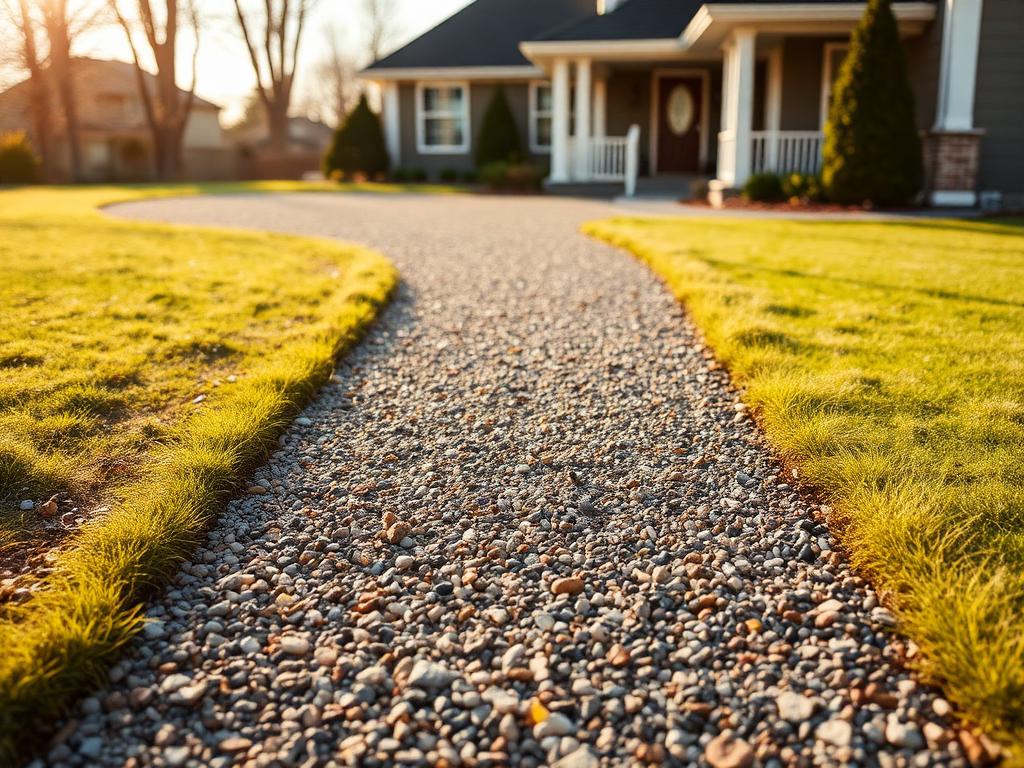
Driveway stone fails for one reason: the wrong size or the wrong profile. Get 10–20 mm angular over a compacted sub-base and the surface holds; use rounded 40 mm and it migrates to the edges within months.
- Sizes chosen to lock rather than roll
- Angular and rounded grades available
- Washed to keep the surface free-draining
- Bulk, jumbo bag and retail formats
Available sizes
- 8–12 mm
- 10–20 mm
- 14–20 mm
- 20–40 mm
Applications
- Residential driveways
- Parking bays and hardstanding
- Farm and estate tracks
- Pathways and access routes
- Resin-bound and resin-bonded surfaces
Typical buyers
- Builders merchants
- Groundwork contractors
- Landscape yards
- Distributors
The size that actually works underfoot and under tyres
10–20 mm is the standard driveway band. Smaller stone gets picked up in tyre treads and carried indoors; larger stone is uncomfortable to walk on and pushes aside under steering. Anything above 20 mm should be reserved for tracks rather than domestic drives.
Angular versus rounded on a driveway
Angular chippings interlock and resist rutting, which is why most contractors specify them. Rounded pebbles look better but need edging and a shallower spread, and they roll under turning wheels. Where appearance matters, a rounded top dressing over an angular base is the compromise.
Sub-base and depth
A driveway needs a compacted sub-base beneath the decorative layer. The visible stone should be 40–50 mm deep — deeper feels soft to drive on and the wheels dig in. Edging restraint on both sides is what keeps the material where it was laid.
Drainage and washed material
Fines block the void space between stones and turn a driveway into a puddle. Washed material drains freely and stays cleaner. It is worth the small premium on any surface that has to shed water.
Coverage and tonnage for quoting jobs
At 50 mm depth, one tonne covers approximately 10–12 square metres. A typical two-car driveway of 40 square metres needs around 3.5–4 tonnes plus a little for topping up in the first year.
Grades for resin-bound work
Resin-bound surfaces need kiln-dried, closely graded stone — usually 1–3 mm or 2–5 mm — with no fines and low moisture. That is a different specification from loose driveway gravel and we quote it separately.
Wholesale, bulk and export details
This product is supplied on the same commercial basis as the rest of our range: quantity confirmed against container payload, packing quoted separately and documentation prepared to your broker's brief.
Questions buyers ask about driveway pebbles
- What size pebble is best for a driveway?
- 10–20 mm. It is large enough not to lodge in tyre treads and small enough to stay comfortable underfoot.
- Should driveway gravel be angular or rounded?
- Angular locks together and resists rutting. Rounded looks better but needs firm edging and a shallower layer.
- How deep should driveway gravel be?
- 40–50 mm of decorative stone over a compacted sub-base. Deeper layers feel soft under vehicles.
- How much gravel for a two-car driveway?
- Around 3.5–4 tonnes for 40 square metres at 50 mm depth.
- Do you supply resin-bound aggregate?
- Yes — kiln-dried, closely graded 1–3 mm and 2–5 mm grades with controlled moisture, quoted separately from loose gravel.
- Is washed gravel necessary for driveways?
- Recommended. Fines block drainage and make the surface muddy after rain.
Related products
Pathway & Driveway Pebbles
Driveway gravel, pathway pebbles and decorative gravel exported from India for landscaping contractors, distributors and commercial project buyers.
Pea Gravel
Pea gravel in rounded 6–12 mm grades for pathways, patios, playgrounds and garden beds. Bulk tonnage, jumbo bags or retail packs, washed and screened.
Crushed Granite
Crushed granite chippings in grey, pink and salt-and-pepper tones for driveways, paths and landscape beds. Washed, angular and screened to tight size bands.
Browse the full decorative pebble and landscaping stone range (100 product pages).
Where we ship driveway pebbles
Other pebble colours, finishes and grades we export
By colour
By finish
By application
- Garden pebbles
- Landscaping stones
- Aquarium pebbles & fish tank gravel
- Fish tank gravel
- Pond & water feature pebbles
- Driveway gravel & pathway pebbles
- Pool pebbles
- Zen garden stone & raked gravel
- Memorial stones
- Rooftop planter stones
- Dry creek bed stone
- Driveway pebbles
- Drainage gravel
- Pot topping pebbles
- Horticultural grit
- Decorative stones for garden
- Fire pit rocks
- Rock mulch & ground cover
- French drain rock
- Artificial grass sub-base
- Garden edging stones
- Playground pebbles
- Riprap & erosion control
- Paver jointing gravel
- Terrarium & succulent pebbles
- Snow white pebbles
- Green marble chips
- Stone wall cladding
- Poultry & insoluble grit
Gravel, rock & pavers
- Pea gravel
- Decomposed granite
- Crushed granite
- Limestone gravel
- Slate chippings
- Black slate chippings
- Blue slate chippings
- Crushed stone
- Decorative rock & gravel
- Landscape rocks
- Decorative gravel
- Marble chips
- White marble chips
- Black marble chips
- Pink marble chips
- Yellow marble chips
- Marble pebbles
- Marble chips for driveways
- Crushed marble aggregate
- Terrazzo chips
- White quartz pebbles
- Red granite gravel
- Sandstone chippings
- Jumbo bag pebbles
- Retail bagged pebbles
- Pink granite gravel
- Black lava rock
- Mexican beach pebbles
- Landscape boulders
- Flagstone paving
- Cobblestone pavers
- Stepping stones
- Pebble tiles
- Gabion stone
- Sandstone paving
- Resin bound aggregate
- Pebble dash chippings
For buyers
Sourcing & importing
- Pebbles exporter India
- Pebbles manufacturer India
- Pebble stone supplier Rajasthan
- Wholesale pebble supplier India
- FOB pebble pricing India
- Container load guide
- HS code & documentation
- How to import pebbles from India
- Supply for hardware store importers
- Supply for landscape distributors
- Supply for construction importers
- Importing pebbles for resale
Request pricing for driveway pebbles
Send the size band, quantity, packing format and destination port. We reply with a quotation and current batch photographs.
WhatsApp only — message or call us on WhatsApp at +91 63772 07567. We do not use enquiry forms.