Fire Pit Rocks: Heat-Resistant Lava Rock and Basalt
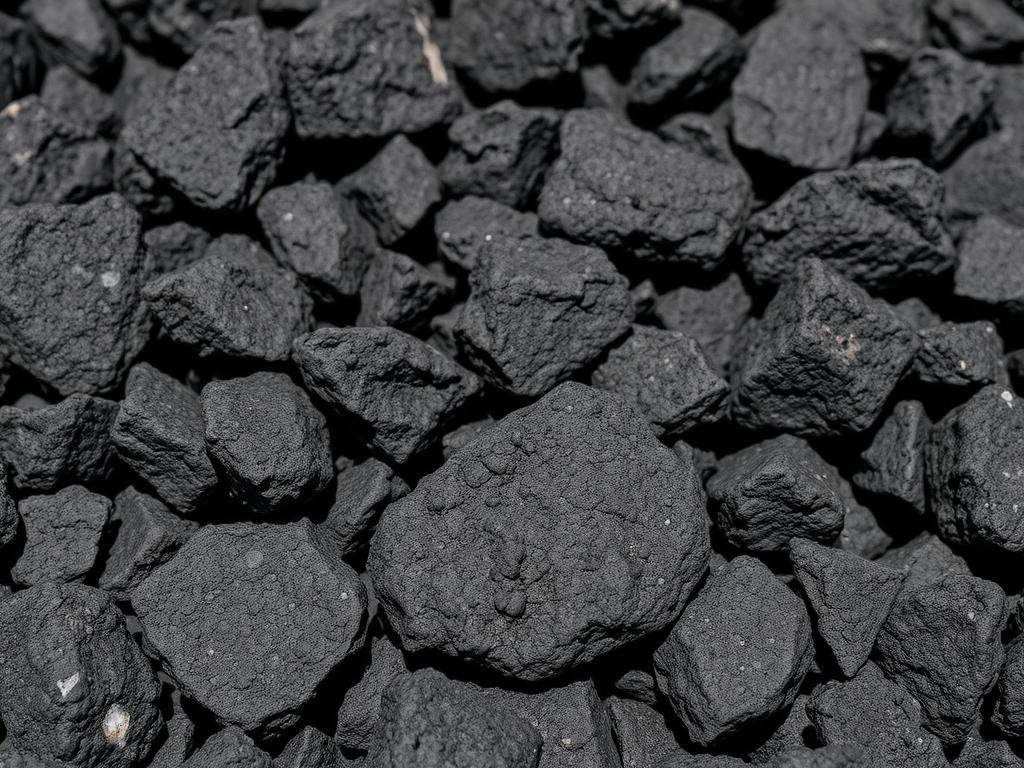
Fire pit rocks have to do one thing above all: take repeated heating and cooling without spalling. Porous volcanic lava rock and dense basalt both handle it well, and both ship as graded, washed and dried material ready for retail packs or landscape yard resale.
- Porous lava rock and dense basalt — no river stone
- Washed and dried to reduce trapped moisture
- Graded 20–40 mm, 40–60 mm and 60–100 mm
- Bulk, jumbo bags, 10–20 kg retail packs
Available sizes
- 10–20 mm
- 20–40 mm
- 40–60 mm
- 60–100 mm
Applications
- Gas and propane fire pit media
- Wood-burning fire pit surrounds
- Fire bowl and chiminea filling
- Outdoor kitchen and BBQ area surfacing
- Retail bagged fire pit rock ranges
Typical buyers
- Outdoor living retailers
- Garden centres
- Landscape supply yards
- Fire pit manufacturers
Why lava rock is the standard fire pit media
Lava rock is volcanic and already porous, so trapped water has somewhere to escape as steam instead of building pressure inside the stone. That is the property that matters in a fire pit: dense water-saturated river stone can crack or pop when heated quickly, while porous lava rock heats and cools repeatedly without breaking down. It is also light, which lowers freight cost per cubic metre.
Lava rock or basalt — which to stock
Lava rock is the volume seller for gas fire pits and fire bowls because it fills quickly and weighs little. Basalt is denser and darker, and buyers choose it where the stone is visible around the pit and has to look deliberate rather than rough. Many distributors carry both: lava rock as the working media, basalt as the decorative surround.
Stone to avoid in a fire pit
Non-porous, water-absorbing stone is the risk — river pebbles, sandstone, limestone and untested mixed gravel. If your retail range currently bags generic river stone as fire pit filler, switching that SKU to lava rock removes a genuine product liability while keeping the same shelf price band.
Sizes and how much a fire pit takes
20–40 mm is the most requested band for gas fire pits: it fills evenly around the burner without blocking flame ports. 40–60 mm and 60–100 mm suit larger bowls and decorative surrounds. As a working figure, a standard 90 cm round fire pit filled to a 75 mm depth takes roughly 25–35 kg of lava rock, which is why 10–20 kg retail packs sell well as a two-bag purchase.
Washing, drying and packing
We wash fire pit grades to remove fines and dust, then dry before bagging. Damp lava rock bagged straight after washing can steam and spit on first burn, and it also adds unpaid weight to the container. For retail lines we bag in printed or plain 10–20 kg packs; landscape yards usually take jumbo bags or loose bulk.
Container loading and freight economics
Lava rock is roughly half the bulk density of dense stone, so a 20ft container fills by volume long before it reaches payload limits — typically 12–15 tonnes rather than 26. Buyers who order lava rock alongside a dense product such as basalt or marble chips in one container use the payload efficiently instead of shipping air.
Seasonal ordering for outdoor living ranges
Fire pit rock demand runs opposite to most garden stone lines, peaking from late summer into autumn in northern-hemisphere markets. Ordering in early summer puts stock on the shelf ahead of that window, and holding a second smaller container back gives you cover if a warm autumn extends the season.
What to check before you approve a shipment
Ask for a current-batch photo set showing size consistency, colour and dust level, and confirm the material is dried before bagging. On first orders, request a small physical sample and run it through a burn cycle yourself — it is the only test that settles heat performance questions before a container is booked.
Wholesale, bulk and export details
This product is supplied on the same commercial basis as the rest of our range: quantity confirmed against container payload, packing quoted separately and documentation prepared to your broker's brief.
Questions buyers ask about fire pit rocks
- What rocks are safe for a fire pit?
- Porous volcanic stone — lava rock and basalt. They release trapped moisture as steam instead of building internal pressure, so they tolerate repeated heating and cooling.
- Why should river rock not be used in a fire pit?
- River rock is dense and non-porous. Water absorbed into the stone turns to steam with nowhere to escape, which can crack or pop the stone when it heats quickly.
- What size fire pit rock should I stock?
- 20–40 mm is the highest-turnover band for gas fire pits and bowls. Add 40–60 mm for larger pits and decorative surrounds.
- How much lava rock does a fire pit need?
- A 90 cm round pit filled to about 75 mm depth takes roughly 25–35 kg, so two 10–20 kg retail packs cover a typical installation.
- Do you supply retail-ready bagged fire pit rock?
- Yes — 10–20 kg packs in plain or your own printed packaging, palletised for garden centre and outdoor living retail.
- How much fits in a container?
- Lava rock is light and volume-limited: expect around 12–15 tonnes in a 20ft container. Pairing it with a dense product uses the payload better.
- Is the colour natural?
- Yes. Lava rock and basalt are naturally dark charcoal to black-red. Nothing is dyed or coated, which also means no coating can burn off in use.
- Can I get a sample before ordering?
- Yes. Message us on WhatsApp with your size band and pack format and we will send a sample set plus current-batch photographs.
Related products
Black Lava Rock
Black lava rock for landscaping, fire pits, planters and drainage. Lightweight porous volcanic stone in graded sizes, bulk or bagged for resale.
Black Pebbles
Natural black pebbles exported from India in matte, washed and polished finishes for landscaping, water features, interiors and retail decorative stone.
Landscaping Stones
Landscaping stones and bulk landscape rock exported from India — pebbles, cobbles and decorative gravel for commercial landscaping and public realm projects.
Crushed Granite
Crushed granite chippings in grey, pink and salt-and-pepper tones for driveways, paths and landscape beds. Washed, angular and screened to tight size bands.
Browse the full decorative pebble and landscaping stone range (100 product pages).
Where we ship fire pit rocks
Other pebble colours, finishes and grades we export
By colour
By finish
By application
- Garden pebbles
- Landscaping stones
- Aquarium pebbles & fish tank gravel
- Fish tank gravel
- Pond & water feature pebbles
- Driveway gravel & pathway pebbles
- Pool pebbles
- Zen garden stone & raked gravel
- Memorial stones
- Rooftop planter stones
- Dry creek bed stone
- Driveway pebbles
- Drainage gravel
- Pot topping pebbles
- Horticultural grit
- Decorative stones for garden
- Fire pit rocks
- Rock mulch & ground cover
- French drain rock
- Artificial grass sub-base
- Garden edging stones
- Playground pebbles
- Riprap & erosion control
- Paver jointing gravel
- Terrarium & succulent pebbles
- Snow white pebbles
- Green marble chips
- Stone wall cladding
- Poultry & insoluble grit
Gravel, rock & pavers
- Pea gravel
- Decomposed granite
- Crushed granite
- Limestone gravel
- Slate chippings
- Black slate chippings
- Blue slate chippings
- Crushed stone
- Decorative rock & gravel
- Landscape rocks
- Decorative gravel
- Marble chips
- White marble chips
- Black marble chips
- Pink marble chips
- Yellow marble chips
- Marble pebbles
- Marble chips for driveways
- Crushed marble aggregate
- Terrazzo chips
- White quartz pebbles
- Red granite gravel
- Sandstone chippings
- Jumbo bag pebbles
- Retail bagged pebbles
- Pink granite gravel
- Black lava rock
- Mexican beach pebbles
- Landscape boulders
- Flagstone paving
- Cobblestone pavers
- Stepping stones
- Pebble tiles
- Gabion stone
- Sandstone paving
- Resin bound aggregate
- Pebble dash chippings
For buyers
Sourcing & importing
- Pebbles exporter India
- Pebbles manufacturer India
- Pebble stone supplier Rajasthan
- Wholesale pebble supplier India
- FOB pebble pricing India
- Container load guide
- HS code & documentation
- How to import pebbles from India
- Supply for hardware store importers
- Supply for landscape distributors
- Supply for construction importers
- Importing pebbles for resale
Request pricing for fire pit rocks
Send the size band, quantity, packing format and destination port. We reply with a quotation and current batch photographs.
WhatsApp only — message or call us on WhatsApp at +91 63772 07567. We do not use enquiry forms.