Paver Jointing Gravel and Bedding Grit
Permeable paving fails at the joint before it fails anywhere else. The jointing material has to be angular enough to lock, clean enough to drain and graded tightly enough that it does not wash out under rainfall. That is a screening job, and it is where most supply falls short.
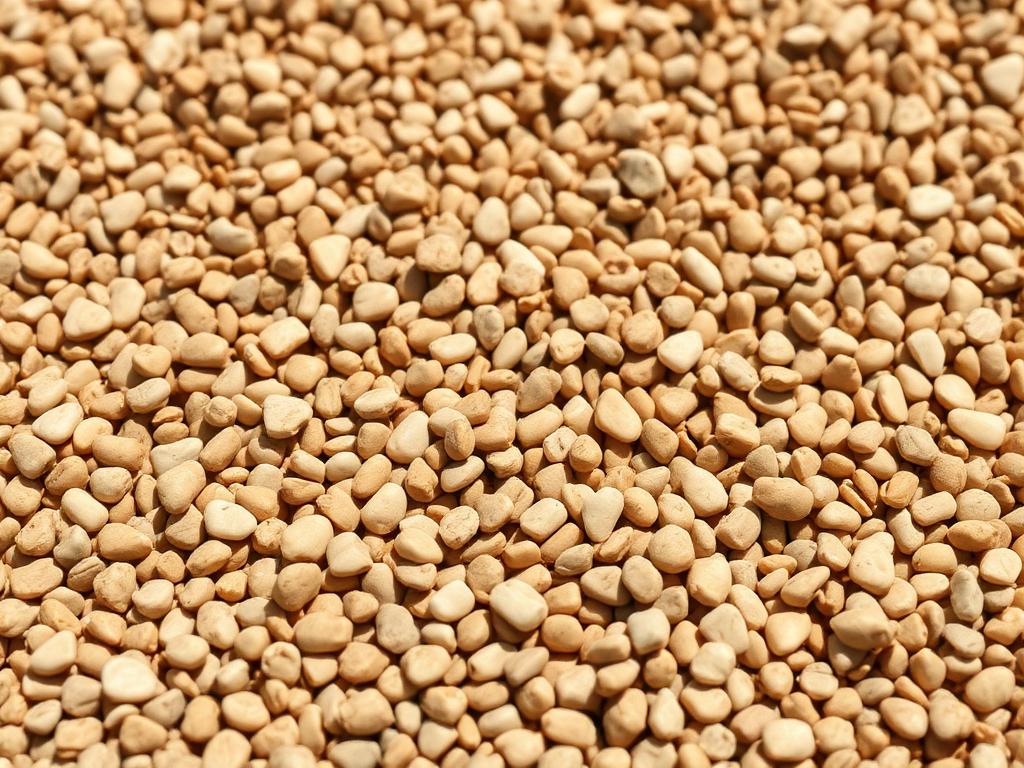
- Washed 2–6 mm angular grit that locks in the joint
- Free of fines so joints stay permeable
- Matched bedding course available on the same order
- Bulk bags sized for typical driveway areas
Available sizes
- 1–3 mm
- 2–5 mm
- 2–6 mm
- 4–8 mm bedding
Applications
- Permeable block paving joints
- Bedding course beneath permeable pavers
- Setts and cobble joint filling
- Porous car park and drive surfaces
- SuDS-compliant hard landscaping
Typical buyers
- Paving contractors
- Builders merchants
- Civil contractors
- Distributors
Why angular, washed grit is specified
Rounded sand rolls and migrates; angular grit interlocks and stays in the joint. Fines are the other failure mode — they blind the joint so surface water sheets off instead of infiltrating, which defeats the point of permeable paving and can breach a drainage consent.
Joint width and grit size
Narrow joints on standard permeable blocks take 2–5 mm; wider joints on setts and larger units take 2–6 mm or 4–8 mm. Undersized grit washes out in the first heavy rain; oversized grit bridges the joint and leaves voids beneath.
Bedding course consistency
The bedding layer directly under the pavers should use the same clean, angular material family as the joint. Mixing a fine-bearing bedding sand under a permeable joint is a common site error and traps water at the interface.
Topping up after settlement
Joints settle over the first few weeks of traffic and need brushing up. Contractors normally allow ten to fifteen per cent extra material for that, and merchants who stock the topping grade get repeat business from the same job.
Quantities and packing
A typical permeable driveway uses roughly 4–6 kg of jointing grit per square metre depending on joint width, plus the bedding course at stated depth. Jumbo bags suit site work; 20–25 kg bags suit merchant resale.
Wholesale, bulk and export details
This product is supplied on the same commercial basis as the rest of our range: quantity confirmed against container payload, packing quoted separately and documentation prepared to your broker's brief.
Questions buyers ask about paver jointing gravel
- What gravel goes in permeable paver joints?
- Washed angular grit, typically 2–5 mm for standard blocks and 2–6 mm for wider joints. It must be free of fines so the joint stays permeable.
- Can I use kiln-dried sand instead?
- Not for permeable paving. Kiln-dried sand is for conventional block paving; in a permeable system it blocks infiltration and defeats the design.
- How much jointing grit per square metre?
- Around 4–6 kg per square metre depending on joint width and block depth, plus ten to fifteen per cent for topping up after settlement.
- Do you supply the bedding layer too?
- Yes, and it is worth ordering together — the bedding course should be the same clean angular family as the joint so water is not trapped at the interface.
- Will the joints need refilling later?
- Some settlement is normal in the first weeks of use. Brushing in additional grit once traffic has consolidated the joints is standard practice.
- Is it washed before packing?
- Yes. Every batch for this use is washed and screened to remove fines, because fines are the main cause of permeable paving losing its infiltration rate.
Related products
Pea Gravel
Pea gravel in rounded 6–12 mm grades for pathways, patios, playgrounds and garden beds. Bulk tonnage, jumbo bags or retail packs, washed and screened.
Cobblestone Pavers
Natural stone cobblestone pavers and setts in granite, sandstone and basalt. Cubes, tumbled cobbles and cobble mats for driveways, courtyards and edging.
Crushed Granite
Crushed granite chippings in grey, pink and salt-and-pepper tones for driveways, paths and landscape beds. Washed, angular and screened to tight size bands.
Resin Bound Aggregate
Kiln-dried resin bound aggregate in 1-3 mm and 2-5 mm grades with controlled moisture, low fines and consistent colour blends for installers.
Browse the full decorative pebble and landscaping stone range (100 product pages).
Where we ship paver jointing gravel
Other pebble colours, finishes and grades we export
By colour
By finish
By application
- Garden pebbles
- Landscaping stones
- Aquarium pebbles & fish tank gravel
- Fish tank gravel
- Pond & water feature pebbles
- Driveway gravel & pathway pebbles
- Pool pebbles
- Zen garden stone & raked gravel
- Memorial stones
- Rooftop planter stones
- Dry creek bed stone
- Driveway pebbles
- Drainage gravel
- Pot topping pebbles
- Horticultural grit
- Decorative stones for garden
- Fire pit rocks
- Rock mulch & ground cover
- French drain rock
- Artificial grass sub-base
- Garden edging stones
- Playground pebbles
- Riprap & erosion control
- Paver jointing gravel
- Terrarium & succulent pebbles
- Snow white pebbles
- Green marble chips
- Stone wall cladding
- Poultry & insoluble grit
Gravel, rock & pavers
- Pea gravel
- Decomposed granite
- Crushed granite
- Limestone gravel
- Slate chippings
- Black slate chippings
- Blue slate chippings
- Crushed stone
- Decorative rock & gravel
- Landscape rocks
- Decorative gravel
- Marble chips
- White marble chips
- Black marble chips
- Pink marble chips
- Yellow marble chips
- Marble pebbles
- Marble chips for driveways
- Crushed marble aggregate
- Terrazzo chips
- White quartz pebbles
- Red granite gravel
- Sandstone chippings
- Jumbo bag pebbles
- Retail bagged pebbles
- Pink granite gravel
- Black lava rock
- Mexican beach pebbles
- Landscape boulders
- Flagstone paving
- Cobblestone pavers
- Stepping stones
- Pebble tiles
- Gabion stone
- Sandstone paving
- Resin bound aggregate
- Pebble dash chippings
For buyers
Sourcing & importing
- Pebbles exporter India
- Pebbles manufacturer India
- Pebble stone supplier Rajasthan
- Wholesale pebble supplier India
- FOB pebble pricing India
- Container load guide
- HS code & documentation
- How to import pebbles from India
- Supply for hardware store importers
- Supply for landscape distributors
- Supply for construction importers
- Importing pebbles for resale
Request pricing for paver jointing gravel
Send the size band, quantity, packing format and destination port. We reply with a quotation and current batch photographs.
WhatsApp only — message or call us on WhatsApp at +91 63772 07567. We do not use enquiry forms.